News
What makes a wall-mounted static var generator the smart fix for unstable power?
2025-12-08
I manage plants where production schedules shift by the hour, so I need gear that reacts faster than my loads change. That is how I came across Geya: the brand kept popping up in projects where space was tight and response times mattered. When I tested a Wall-mounted Static Var Generator in a line that was struggling with penalties and flicker, the difference was immediate—cleaner current, steadier voltage, fewer alarms. In this post I break down how I evaluate the technology, where the wall-mount form shines, and what numbers I watch before I sign a purchase order.
Why do I lose money when the line looks fine to the naked eye?
Motors and drives pull reactive power that drags down power factor and inflates apparent power. Utilities bill you for that inefficiency with penalties and capacity charges. A Wall-mounted Static Var Generator dynamically injects or absorbs vars so the utility sees a well-behaved load even when the process is anything but. I have watched bills drop without touching a single motor—just by fixing the power factor profile across shifts.
How does a wall-mounted SVG behave differently from old capacitor banks?
- It responds in milliseconds instead of in relay steps, so it tracks fast load swings from VFDs and welders.
- It delivers smooth, stepless compensation, avoiding the overshoot and chatter I used to see with staged capacitors.
- It keeps reactive power under control even when voltage drifts, which helps stabilize sensitive control circuits.
On my floor, the Wall-mounted Static Var Generator became a set-and-forget device—no step hunting, no contactor wear, and no hot spots from constant switching.
Where does the wall-mounted format actually solve a real problem for me?
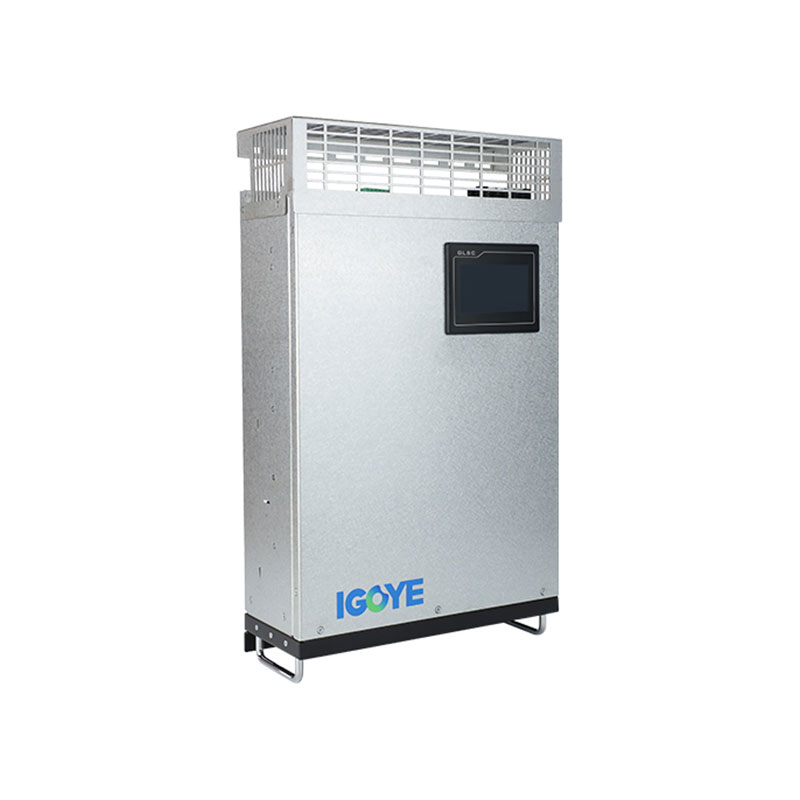
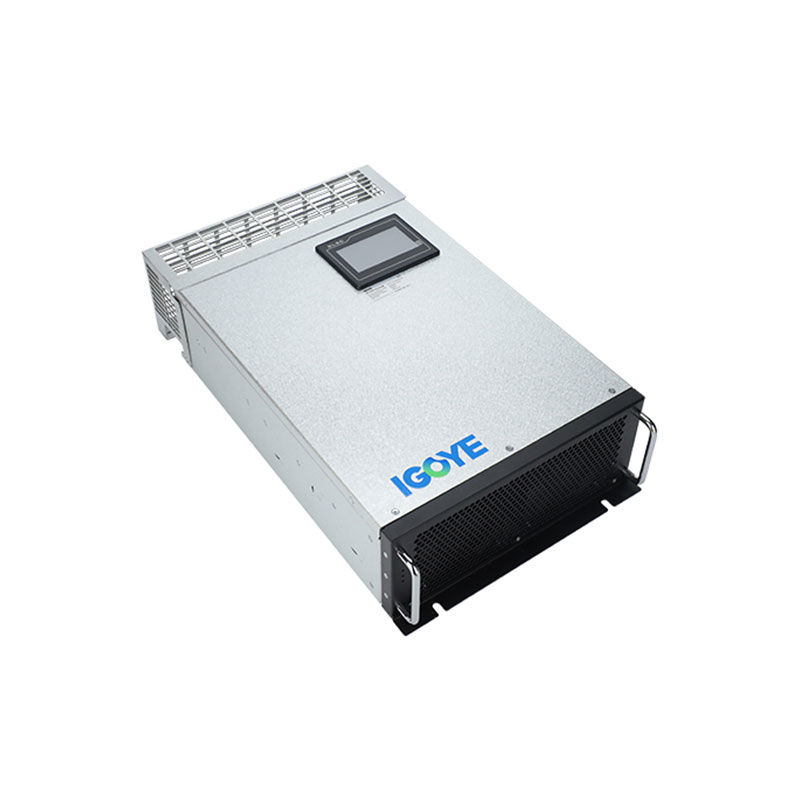
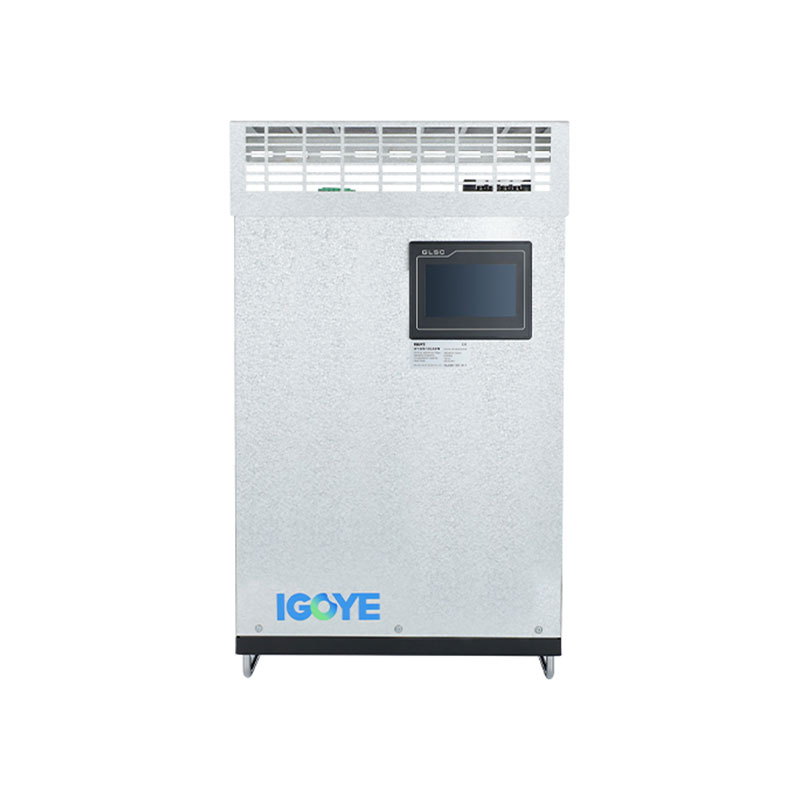
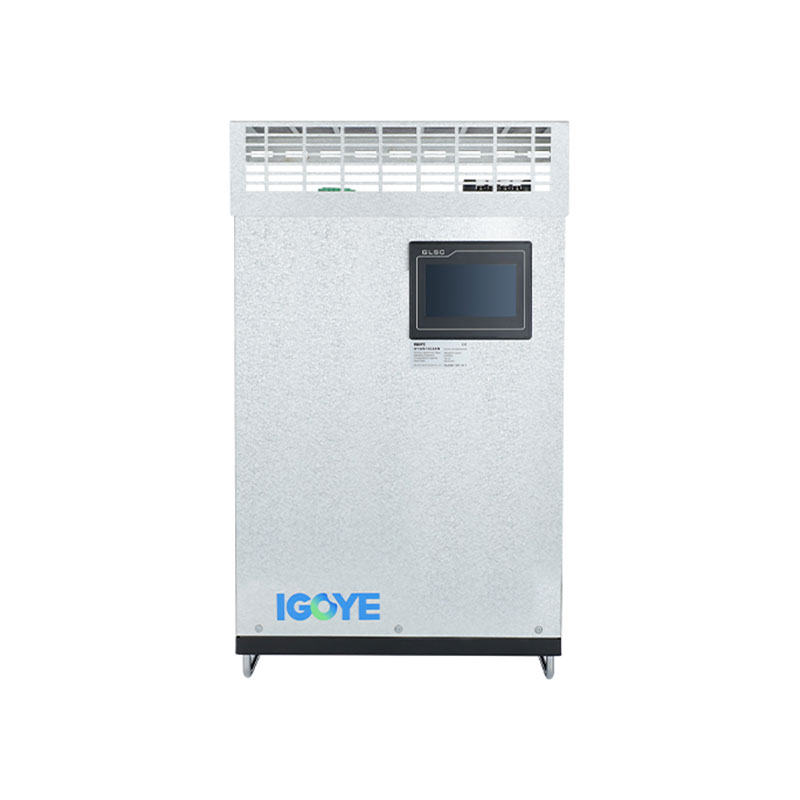
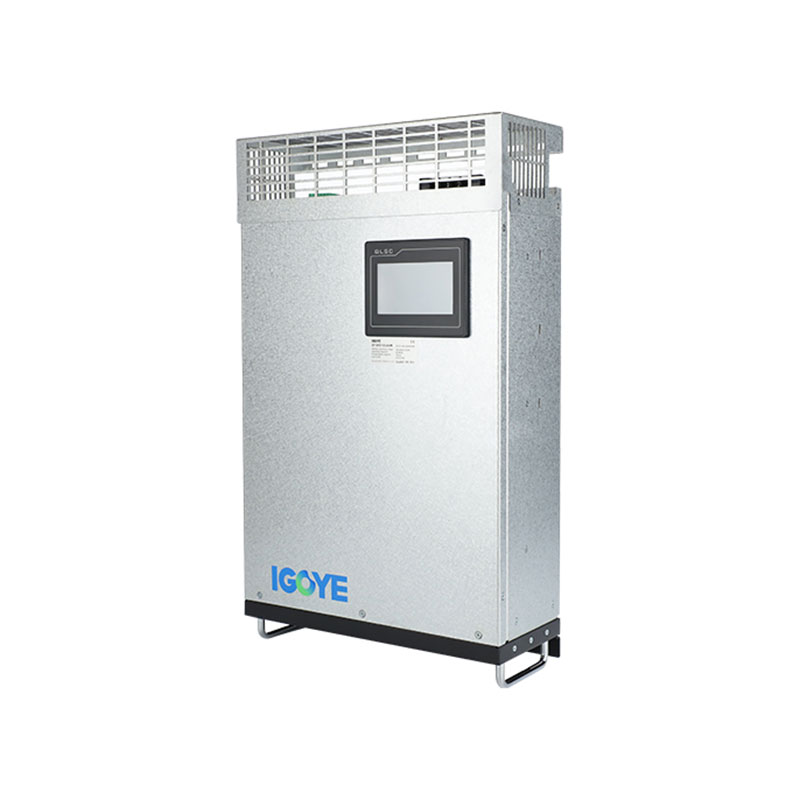
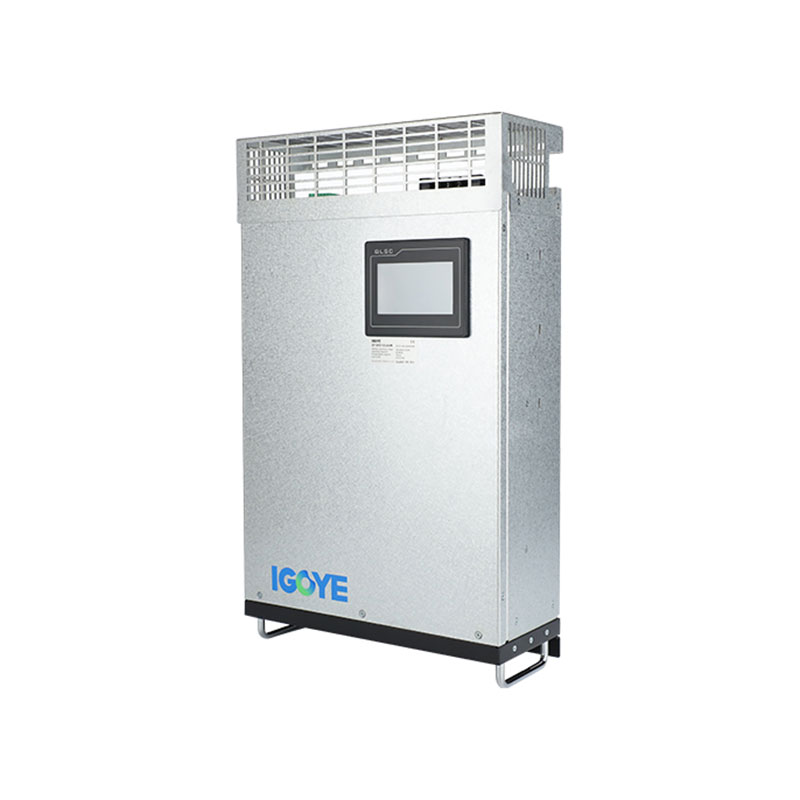
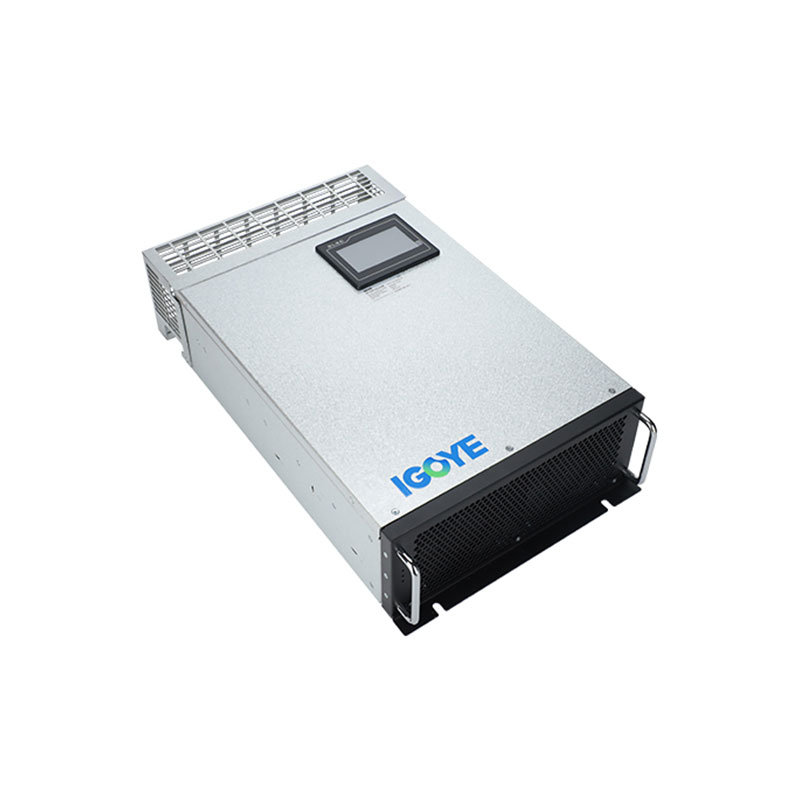
The wall-mount layout frees floor area for production, shortens cable runs, and lets me place compensation right next to the offending load. With the Wall-mounted Static Var Generator hanging close to the feed, I cut impedance and improved dynamic response without rebuilding the MCC lineup.
What sizing rules help me pick a right-sized unit instead of guessing?
- Start with data, not nameplates: pull interval PF, kvar demand, and THDi from your power analyzer over at least one full production cycle.
- Size to the worst 15-minute window: I target the peak kvar swing plus a 10–20% headroom to avoid saturation during seasonal peaks.
- Check voltage and harmonics: higher THDi can inflate capacitor currents in legacy systems; SVG handles this, but I still confirm thermal margin.
- Think topology: if loads are spread, multiple smaller wall-mounted units near the sources beat one big centralized box.
Once I applied those steps, the Wall-mounted Static Var Generator landed exactly where it delivered the most value, with spare capacity for the next machine we plan to add.
How do I compare results before and after installation without guesswork?
| Metric | Before | After with Wall-Mounted SVG | What I Look For |
|---|---|---|---|
| Power Factor (system) | 0.78–0.86 fluctuating | ≥0.98 stable | Steady PF during ramps and batch changes |
| Reactive Demand (kvar) | High, spiky | Neutralized, smooth | Lower kvar peak and reduced utility penalties |
| Voltage Deviation | Noticeable dips | Tighter band | Fewer nuisance trips on controls |
| THDi at PCC | Elevated with drives | Managed | Compliance with site limits and cooler feeders |
| Maintenance | Frequent contactor wear | Minimal periodic checks | No step components to replace |
Can a wall-mounted SVG live with variable-speed drives and welders?
Yes. Those are the loads where I see the biggest wins. Rapid kvar swings from VFDs and pulsed loads push slow systems into constant switching. A Wall-mounted Static Var Generator handles the swing without step chatter, so temperature stays reasonable and the electrical room grows quieter. My drives trip less during aggressive ramps because voltage remains tighter.
What practical features do I check before I sign the PO?
- Thermal design: I verify derating at my ambient and confirm clearances for wall mounting in a narrow aisle.
- Communication: Native Modbus/TCP or RS-485 helps me trend vars, voltage, and alarms into the SCADA I already use.
- Protection: I look for robust short-circuit ratings and clear installation guides for upstream breakers.
- Safety and compliance: I confirm the unit aligns with local code requirements and labeling for my jurisdiction.
When those boxes are ticked, the Wall-mounted Static Var Generator integrates like any other smart asset—visible to my maintenance crew, quiet in operation, and predictable under stress.
How do I explain ROI to a finance lead who just wants the headline number?
I keep it simple: utility charges shrink, process stability improves, and maintenance hours drop. If the site pays penalties or runs near transformer capacity, payback can be fast. For one line I support, the Wall-mounted Static Var Generator trimmed penalties and released headroom so we could add another drive without upgrading upstream gear. That expansion would have cost more than the SVG itself.
Why did I trust an unfamiliar brand on a critical line?
Track record and transparency. I field-tested performance against the exact disturbances my plant suffers—fast ramps, cyclical loads, hot summers—and the results held up. The wall-mount option let me place the unit where it mattered most instead of sacrificing cabinet space. After that, adding a second Wall-mounted Static Var Generator for a packaging cell was an easy call.
What should my installation checklist include so day one goes smoothly?
- Verify wall structure, ventilation path, and safe working clearances.
- Confirm feeder sizing and protective device coordination for the SVG’s rated current.
- Land communications early so trending starts at energization.
- Run a pre-start audit on PF, kvar, and THDi for a clean baseline.
- Schedule a load-sweep test to validate dynamic response at real cycle speeds.
Follow that plan and your Wall-mounted Static Var Generator will show its value the first week you run it under pressure.
Where do I go from here if my site has unique constraints?
Send me your load profile, the worst-case shift data, and photos of the intended wall location. I am happy to talk through topology, sizing, and commissioning so the solution matches reality instead of a brochure. If you are weighing multiple lines, we can stage units and phase the rollout. When you are ready, contact us and we will map your goals to an actionable plan that includes a properly sized Wall-mounted Static Var Generator, a firm installation scope, and KPI targets we can both track.
Related News
- Can Your Facility Meet Strict Grid Regulations with a Cabinet-Type Static Var Generator
- Does a Rack Mount Active Harmonic Filter Protect Against Transformer Damage
- Can a cabinet-type active harmonic filter turn hidden power losses into quick returns?
- Can a Rack Mount Active Harmonic Filter unlock hidden capacity and calmer waveforms?
- How Do We Turn an Energy Storage System Into Measurable Business Results?
- Where can an Active Harmonic Filter make the biggest difference today?