Products
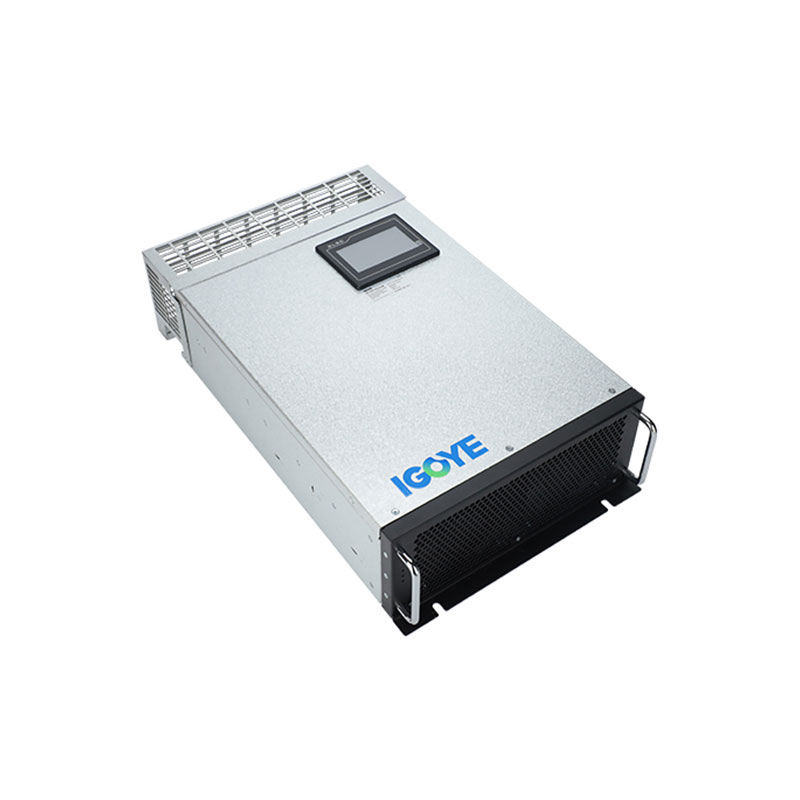
Energy Storage System
Smart Energy Storage System Solution – Building a Stable and Efficient Green Energy Network
Our energy storage system, driven by technological innovation, aims to set new benchmarks in intelligent energy management, delivering three core values for modern grids and users:
① Intelligent Load Regulation, Ensuring Grid Stability
The system stores extra energy when demand is low. It releases power when demand spikes. This eases grid load, steadies voltage, and strengthens the power network. It builds a grid that bends, adapts, and endures.
② Unlocking Renewable Potential, Accelerating Zero-Carbon Transition
Our energy storage system traps wind and solar power in real time. It turns wasted energy into steady, green electricity. This lifts renewable use by 40%. It fuels industries and cities with low-carbon power.
③ Multi-Scenario Power Assurance, Uninterrupted Energy Security
The system flips to backup mode in 0.05 seconds. It shields data hubs, hospitals, and factories from power loss. Its modular build and layered defenses keep it steady in harsh conditions. It secures 99.99% power uptime yearly.
What is an energy storage system?
An energy storage system traps power and saves it for later. It balances supply, steadies the grid, and backs up outages. It blends with solar and wind. It holds energy as electrical, mechanical, thermal, or chemical power.
What are 3 energy storage systems?
Three common energy storage systems include:
Battery Energy Storage (e.g., Lithium-ion batteries)
Stores energy chemically and converts it to electricity. Widely used in electric vehicles, smartphones, and grid storage due to high efficiency and scalability.
Pumped Hydro Storage
A mechanical storage system that pumps water uphill to a reservoir during low demand and releases it through turbines to generate electricity during peak demand. Accounts for ~90% of global grid-scale storage.
Flywheel Energy Storage
A spinning rotor traps kinetic energy. Slowing it unleashes power as electricity. It suits fast, high-power needs like grid tuning.
What is the best system for storing energy?
There is no single "best" system—it depends on the application, scale, and requirements:
Long storage: Pumped hydro and compressed air store vast energy for grids.
Daily use: Lithium-ion packs dense power for EVs and homes.
Fast response: Flywheels and supercaps unleash bursts to steady the grid.
Future tech: Flow batteries and hydrogen may store renewables for seasons.
- View as
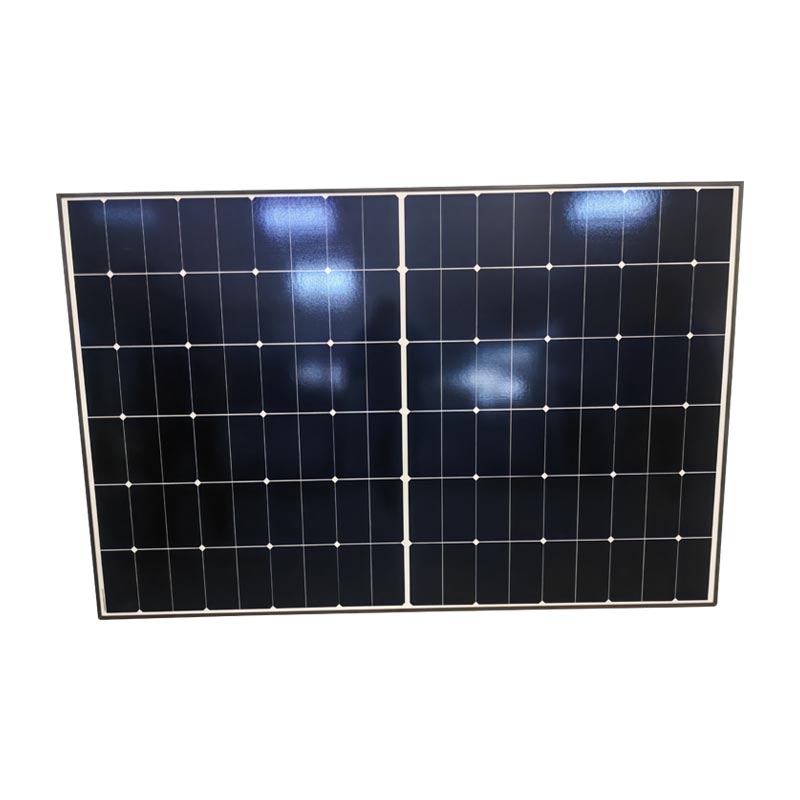
Geya LR5-54HTH 400 watt solar panel
Geya LR5-54HTH 400 watt solar panel powers homes, businesses, and industries. It blends sleek design with advanced tech. High efficiency boosts output. Tough build ensures long service. A 15-year warranty covers materials. A 25-year guarantee protects power loss. This panel drives strong returns.
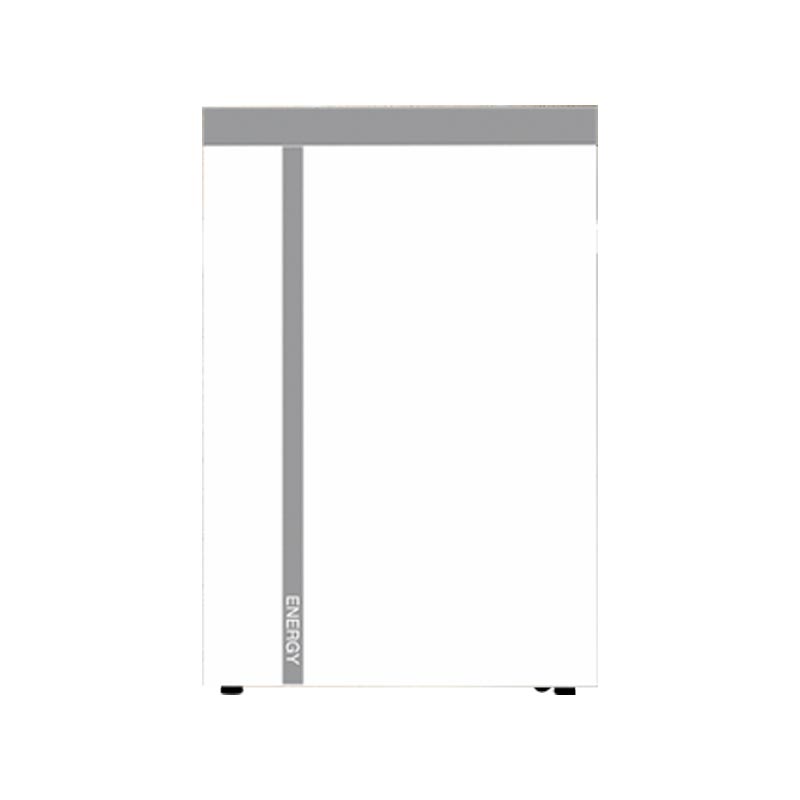
Geya Wall-Mounted Residential ESS-WLL005B1-5.22kWh
Geya Wall-Mounted Residential ESS-WLL005B1-5.22kWh is a cutting-edge wall-mounted energy storage solution designed to maximize energy efficiency for residential use. With 5.22kWh total capacity and 4.96kWh usable energy, this system ensures reliable backup power, reduces electricity costs, and supports sustainable living—all while blending seamlessly into your home environment.
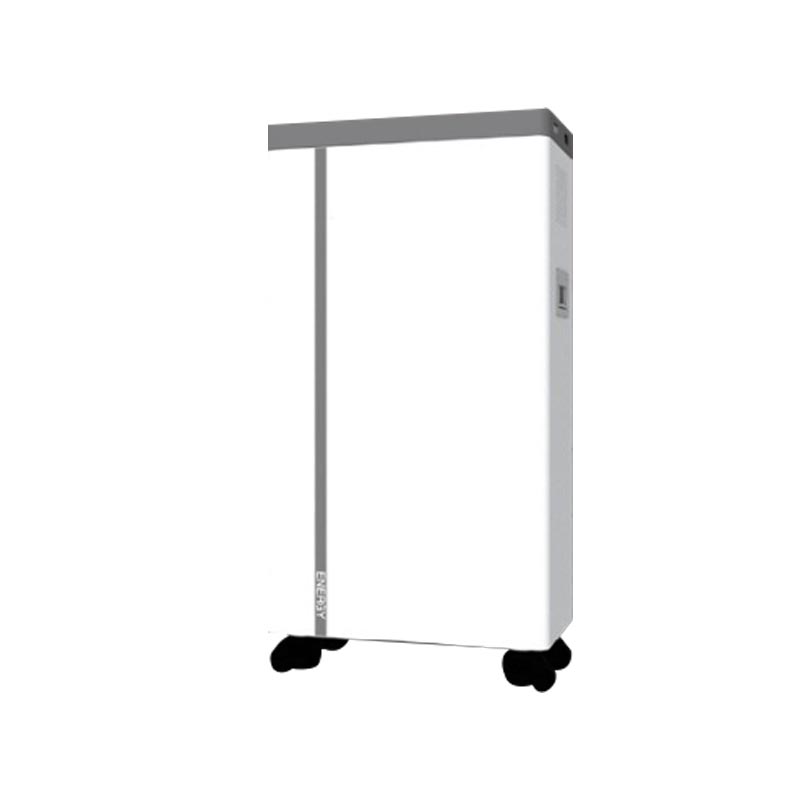
Geya Floor-standing Residential ESS-WLL016A1
The Geya Floor-standing Residential ESS-WLL016A1 is a next-generation home energy storage system designed to provide reliable, efficient, and eco-friendly power solutions. With a large 16.08kWh capacity, it ensures uninterrupted power supply for households, reducing reliance on the grid and optimizing energy consumption.
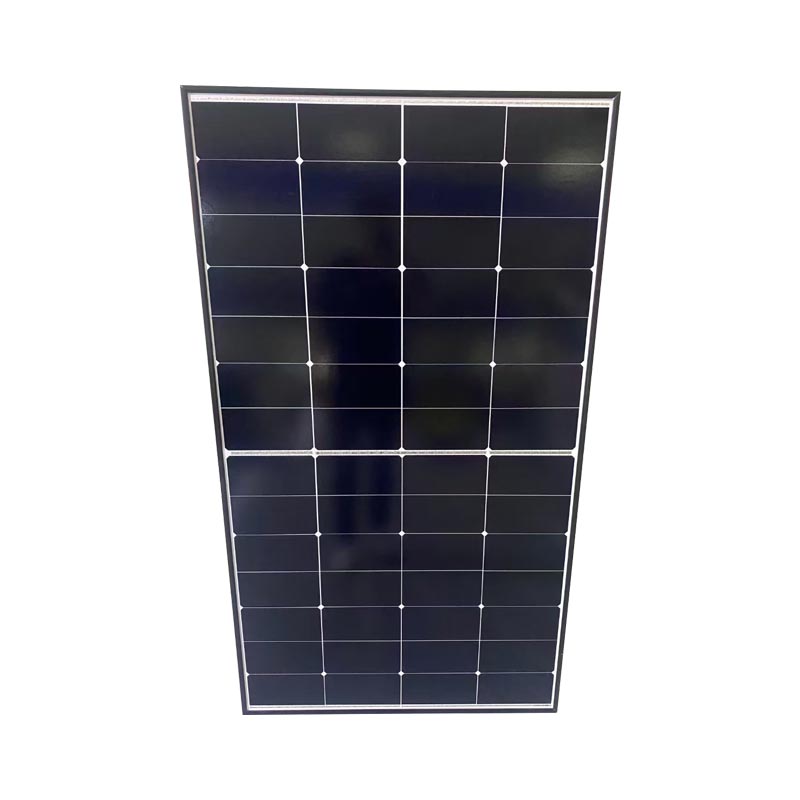
LR5-36HTH-280 Solar Panels For Household Use
GEYA LR5-36HTH-280 Solar Panels For Household Use redefines the value of home photovoltaics with an industry-leading conversion efficiency of 21.5%. It uses monocrystalline silicon technology and precise cell arrangement to achieve an ultra-high power output of 260W~280W (positive tolerance +0~3%) in the same area, meeting the household's all-weather electricity needs. The product is equipped with 3.2mm tempered glass and a lightweight composite frame (only 13kg), with a pressure strength of ≥5400Pa. With an IP68 waterproof connector and anti-PID design, it can operate stably in extreme environments of -40℃~85℃.
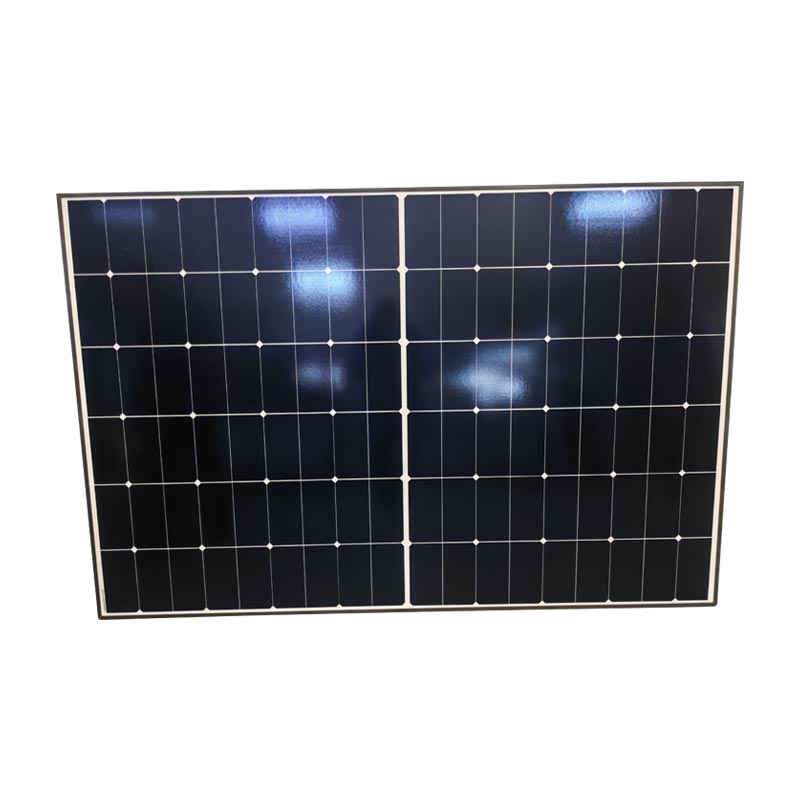
LR5-28HTH-220M household solar panels
The GEYA LR5-28HTH-220M household solar panels is designed for modern families. It uses high-efficiency monocrystalline silicon cells certified by the German TÜV, achieving an average annual power generation efficiency of 22.3%. The system is equipped with an intelligent micro-inverter and supports off-grid/grid-connected dual-mode operation, creating a 24-hour green energy solution for you.
GEYA is a professional Energy Storage System manufacturer and supplier in China. Welcome to import quality products from our factory here.